Honda Odyssey Alternator Replacement Cost: Ultimate Guide
[FEATURED_IMAGE_PLACEHOLDER]
📋 Table of Contents
- 🎯 Key Takeaways
- Understanding the Honda Odyssey Alternator and its Role
- Average Cost Breakdown: Parts, Labor, and Diagnostics
- DIY vs. Professional: Weighing Savings Against Complexity
- Factors Influencing Your Total Replacement Cost
- Signs of a Failing Alternator: What to Watch For
- Smart Strategies to Reduce Your Replacement Expenses
- Conclusion
- 💬 Quick Questions & Answers
- ❓ Frequently Asked Questions
Replacing a Honda Odyssey alternator typically costs between $400 and $800, varying based on parts quality and labor rates. This guide will help you understand the components of the cost, identify common symptoms, and provide tips to manage your repair expenses effectively. Learn when professional help is essential and how to save on parts.
🎯 Key Takeaways
- Compare quotes; costs vary widely by shop and region.
- Consider DIY replacement to save significantly on labor.
- Choose suitable alternator:OEM, aftermarket, or remanufactured.
- Identify failing alternator symptoms early to prevent breakdowns.
- Budget for both parts ($150-$400) and labor ($100-$300).
Ever heard a strange whining sound from under your hood? Or perhaps your headlights seem a little dimmer than usual when you are driving at night? These could be early signs that your Honda Odyssey’s alternator is starting to fail. An alternator is a vital part of your car’s electrical system, and when it goes bad, it can leave you stranded. Understanding the potential costs involved in replacing it can save you stress and money in the long run.
Your minivan works hard, often powering multiple devices for the whole family, from DVD players to power sliding doors. This puts a lot of demand on its electrical system. Knowing what an alternator does, what warning signs to look for, and the typical replacement costs can help you make informed decisions. This guide will walk you through everything you need to know about Honda Odyssey alternator replacement costs.
We will explore the role of your alternator, break down the average costs for parts, labor, and diagnostics, and even discuss whether tackling this repair yourself is a wise choice. By the end, you will have a clear picture of what to expect and how to handle an alternator issue in your Honda Odyssey confidently.
Understanding the Honda Odyssey Alternator and its Role
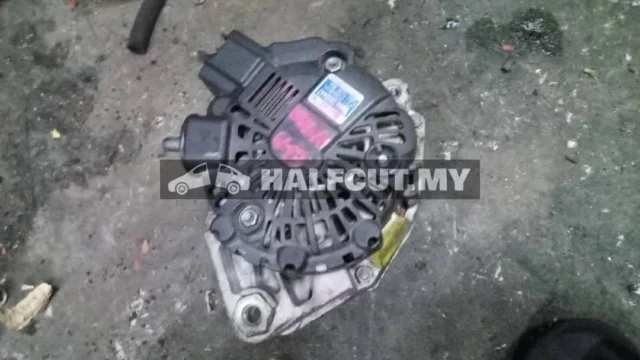
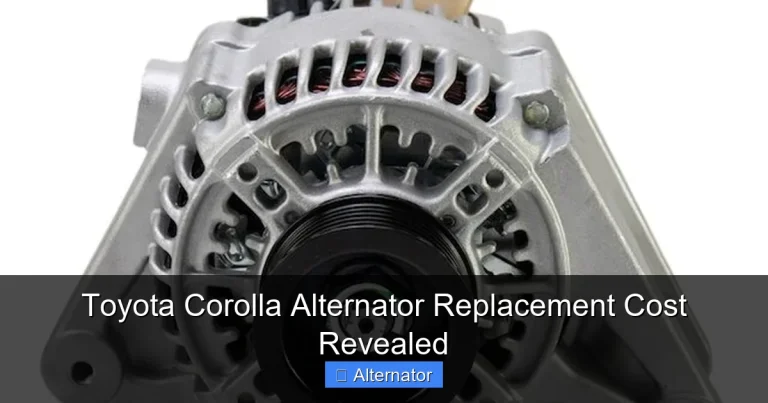
Your Honda Odyssey’s alternator is a small but mighty component. It is absolutely crucial for keeping your minivan running smoothly. Many drivers often confuse it with the battery, but they perform very different jobs. The battery gives your car the initial jolt to start the engine. After that, the alternator takes over.
What Does Your Alternator Actually Do?
Think of your alternator as a tiny power plant under your hood. Once your engine starts, the serpentine belt turns the alternator. This motion generates electricity. This electricity does two main things:
- Powers Your Car’s Electrical Systems: It supplies electricity to everything that runs on power while you are driving. This includes your headlights, radio, power windows, air conditioning, and even the ignition system itself.
- Recharges Your Battery: As you drive, the alternator continuously recharges your car battery. This ensures the battery is ready to start your engine again the next time you turn the key or push the start button. Without a working alternator, your battery would quickly drain, leaving you stranded.
It is clear that your Odyssey cannot operate for long without a functional alternator. It keeps all your systems humming along.
Common Symptoms of a Failing Alternator
Knowing the warning signs can save you from a complete breakdown. If you notice any of these symptoms, it is a good idea to have your alternator checked:
- Dimming or Flickering Lights: Your headlights, interior lights, or dashboard lights might get dimmer as you drive or appear to flicker.
- Battery Warning Light: A battery-shaped icon on your dashboard can light up. This often means there is an issue with the charging system, not just the battery itself.
- Strange Noises: A whining or grinding sound coming from under the hood can indicate a worn-out bearing inside the alternator.
- Dead Battery: If your battery repeatedly dies, especially shortly after being charged or jumped, your alternator is likely not recharging it.
- Slow or Malfunctioning Accessories: Your power windows might roll up slowly, or your radio might cut out. This happens when the alternator cannot supply enough power.
Do not ignore these signs. Addressing them early can prevent more costly repairs or an unexpected breakdown.
Why Odysseys Need a Strong Alternator
Honda Odysseys are known for being family-friendly vehicles. They often come loaded with many electrical features. Consider your typical family road trip: you might have the rear entertainment system playing DVDs, phones charging in multiple ports, the air conditioning blasting, and powerful headlights cutting through the night. All these systems draw power from your alternator. A minivan’s alternator works harder than in a simpler, smaller car. This constant demand means your Odyssey’s alternator needs to be robust. It also means you need to pay attention to its health.
Average Cost Breakdown: Parts, Labor, and Diagnostics
When your Honda Odyssey’s alternator needs replacement, you will face several costs. These usually include the part itself, the labor to install it, and sometimes a diagnostic fee. Prices can vary significantly based on your location, your specific Odyssey model year, and where you choose to get the repair done.
The Alternator Part Itself: New vs. Remanufactured
The alternator unit is the biggest part of your expense. You generally have two main choices:
- New Alternator: A brand-new alternator will typically cost between $250 and $600. High-quality brands like Denso (an OEM supplier for Honda) or Bosch often fall into this range. New parts come with a full manufacturer’s warranty, usually for one to three years.
- Remanufactured Alternator: These are used alternators that have been rebuilt with new internal components. They are a more budget-friendly option, usually costing between $150 and $400. Reputable remanufacturers test these units rigorously, and they often come with a good warranty, similar to new parts. Many mechanics recommend remanufactured units for their value.
The specific year and trim of your Honda Odyssey can also affect the price. For example, an alternator for an older 2007 Odyssey might be cheaper than one for a newer 2017 model. Always ask your mechanic or parts store about their warranty policy for both options.
Labor Costs: What Mechanics Charge
Replacing an alternator is not a quick job. It requires some mechanical skill and time.
- Hourly Rates: Mechanic labor rates typically range from $75 to $150 per hour, depending on your geographic location and the shop type. Dealerships often charge at the higher end of this scale.
- Time Required: For a Honda Odyssey, replacing the alternator generally takes about 2 to 4 hours. Some models or generations might have the alternator in a trickier spot, leading to longer labor times.
- Total Labor Cost: You can expect to pay anywhere from $150 to $600 just for the labor. For example, if your mechanic charges $100 per hour and the job takes 3 hours, your labor cost will be $300.
Always get a written estimate before any work begins. This way, you understand exactly what you are paying for and can avoid surprises.
Diagnostic Fees: Getting to the Root Cause
Before replacing the alternator, a good mechanic will perform diagnostics. They need to ensure the alternator is indeed the problem. Issues like a bad battery, faulty wiring, or a loose serpentine belt can sometimes mimic alternator failure symptoms.
- Typical Cost: Diagnostic fees usually range from $50 to $150. This covers the mechanic’s time to test your battery, alternator, and charging system.
- Waved Fees: Many shops will waive this diagnostic fee if you choose to have them perform the actual repair. It is always worth asking about this policy.
Paying for a proper diagnosis is smart. It prevents you from replacing an expensive part that was not even broken. It ensures your money is spent on the correct repair.
DIY vs. Professional: Weighing Savings Against Complexity
When facing an alternator replacement, you might wonder if you can save money by doing it yourself. It is a common thought for many car owners. While DIY can cut costs significantly, it is crucial to honestly assess your skills and the job’s complexity.
The Appeal of DIY: Saving Money
The biggest draw for DIY alternator replacement is the potential savings on labor.
- Eliminate Labor Costs: By doing the work yourself, you could save anywhere from $150 to $600. This is a substantial amount for many budgets.
- Tools Needed: For most Honda Odyssey models, you will need a basic set of wrenches, sockets, a ratchet, and possibly a serpentine belt tensioner tool. You might already own many of these.
- Online Resources: There are countless step-by-step guides and video tutorials available online specifically for Honda Odyssey alternator replacement. These can walk you through each step of the process.
If you are comfortable working on cars, have the right tools, and enjoy mechanical tasks, this could be a rewarding and cost-effective project. Always remember to disconnect the battery before starting any work on electrical components.
When to Call a Pro: Recognizing Your Limits
For many, attempting an alternator replacement might be too much. It is perfectly fine to know when to call in the experts.
- Lack of Experience or Tools: If you are not familiar with car mechanics or do not have the necessary tools, trying to do it yourself can lead to frustration or even damage.
- Complexity and Location: On some Honda Odyssey models, the alternator can be in a very tight or difficult-to-reach spot. This might require removing other components like the power steering pump or even a motor mount to gain access. This complexity increases the risk of error.
- Time Constraints: A DIY job can take much longer than anticipated, especially if you encounter unexpected issues. A professional can typically get it done in a few hours.
- Warranty and Assurance: A professional mechanic usually offers a warranty on both parts and labor. If something goes wrong shortly after the repair, they will fix it without additional charge. This peace of mind is invaluable.
- Safety Concerns: Working on a car, especially around its electrical system and heavy parts, carries risks. If you are not confident, it is safer to let a professional handle it.
Do not underestimate the potential for complications. A mistake could result in further damage to your vehicle, costing you more in the long run.
Factors Influencing DIY Difficulty
The difficulty of replacing an alternator on a Honda Odyssey can vary.
- Odyssey Generation: Older generations (e.g., 2nd gen 1999-2004) might have simpler access compared to newer models (e.g., 5th gen 2018-present) where engine bays are often more cramped.
- Engine Size: Most Odysseys have a V6 engine. However, the exact engine configuration can dictate how much space you have to work with.
- Additional Components: Some Odyssey models require you to remove components like the passenger-side motor mount or move the power steering pump to get the alternator out. This adds steps and complexity.
Before deciding, research your specific Honda Odyssey year and model. Look for videos or guides that detail the steps. This will give you a realistic idea of the effort involved.
Factors Influencing Your Total Replacement Cost
Understanding the variables that go into your alternator replacement bill can help you anticipate expenses and make informed decisions. It’s not just about the part; several elements contribute to the final price tag.
Type of Alternator: OEM vs. Aftermarket vs. Remanufactured
The type of replacement alternator you choose significantly impacts the part cost. You generally have three main options:
- OEM (Original Equipment Manufacturer): These are parts made by Honda or a supplier to Honda, designed specifically for your Odyssey. They offer guaranteed fit, quality, and often come with a good warranty. They are typically the most expensive option.
- Aftermarket: Produced by third-party manufacturers, aftermarket alternators can vary widely in quality and price. Some are excellent and rival OEM, while others may be less durable. They are usually more affordable than OEM.
- Remanufactured: These are previously used alternators that have been rebuilt with new worn-out components. They offer a budget-friendly choice and are environmentally conscious. Quality can vary based on the rebuilder, so look for reputable brands.
Here’s a quick comparison:
| Alternator Type | Pros | Cons | Typical Cost Range (Part Only) |
|---|---|---|---|
| OEM | Guaranteed fit, high quality, strong warranty. | Most expensive. | $300 – $600+ |
| Aftermarket | More affordable, wide selection. | Quality can vary, research is key. | $150 – $400 |
| Remanufactured | Most budget-friendly, eco-friendly. | Quality depends on rebuilder, may have shorter warranty. | $100 – $300 |
Labor Rates: Dealership vs. Independent Mechanic vs. DIY
Where you get the work done plays a huge role in the labor cost. Dealerships usually have the highest hourly rates but offer specialized Honda knowledge and genuine parts. Independent mechanics often provide a good balance of expertise and affordability, with rates typically lower than dealerships. If you’re mechanically inclined and have the right tools, a DIY replacement can save you all labor costs, but it requires time, skill, and confidence. Be honest with yourself about your abilities to avoid larger issues.
Additional Repairs or Diagnostics
Sometimes, an alternator problem isn’t isolated. Your mechanic might discover other components that need attention during the diagnostic process. This could include:
- A faulty battery (which often takes a beating from a failing alternator).
- Worn serpentine belts or tensioners that were stressing the old alternator.
- Corroded wiring or electrical connections.
These additional repairs can add to your total bill, but addressing them upfront can prevent future breakdowns and ensure your new alternator functions optimally.
Signs of a Failing Alternator: What to Watch For
Recognizing the early warning signs of a dying alternator in your Honda Odyssey can save you from a complete breakdown and potentially more expensive repairs. Pay attention to your vehicle’s behavior, as it often provides subtle clues.
Electrical System Malfunctions
Since the alternator is responsible for powering your vehicle’s electrical components, a failing unit will often manifest itself through various electrical glitches. Here’s what you might notice:
- Dim or Flickering Lights: Your headlights, interior lights, or dashboard lights may appear dimmer than usual, or they might flicker while you’re driving. This is a classic sign of insufficient power.
- Slow or Malfunctioning Accessories: Power windows might roll up or down slowly, the radio could cut out, or the air conditioning might blow less forcefully. Any electrical accessory that seems sluggish could be indicating an alternator issue.
- Dashboard Warning Lights: Your Odyssey has a dedicated “ALT,” “GEN,” or a battery-shaped warning light on the dashboard. If this light illuminates, it’s a strong indicator of an alternator or charging system problem. Don’t ignore it!
These symptoms often worsen as more electrical components are used, as the alternator struggles to keep up with the demand.
Battery Issues
The alternator recharges your battery while you drive. When it’s not doing its job, your battery suffers. You might experience:
- Frequent Dead Battery: If your battery repeatedly dies, especially after it’s been recently charged or replaced, the alternator is likely failing to keep it topped up. Remember, the battery’s primary role is to start the car; the alternator keeps it charged and powers the electrical system once the engine is running.
- Difficulty Starting: You might notice your Odyssey cranks slowly or struggles to turn over. This happens because the battery isn’t receiving enough charge from the alternator to maintain its full power.
- Battery Warning Light: As mentioned, a battery light on your dash isn’t always about the battery itself. It often signals a problem with the charging system, where the alternator is the prime suspect.
A good battery can mask a dying alternator for a short period, as it tries to compensate, but eventually, it will give out.
Strange Noises or Smells
Sometimes, a failing alternator can give off auditory or olfactory warnings:
- Whining or Grinding Noises: If you hear a whining or grinding sound coming from under the hood, especially when you accelerate, it could be a worn-out bearing inside the alternator.
- Burning Rubber Smell: A strong burning rubber smell suggests that the serpentine belt, which drives the alternator, might be slipping or worn out, or the alternator itself is overheating due to excessive friction or internal shorts.
- Hot Wire Smell: A smell resembling burning plastic or hot electrical wires could indicate an overloaded alternator or issues with its wiring, which is a serious concern.
If you experience any of these signs, it’s wise to have your Honda Odyssey’s charging system checked by a professional without delay.
Smart Strategies to Reduce Your Replacement Expenses
While an alternator replacement is a necessary repair, there are smart ways to manage the cost and ensure you get good value. Being proactive and informed can significantly lighten the financial burden.
Choosing the Right Part: Balancing Cost and Quality
Making an informed decision about your replacement alternator can save you money without sacrificing reliability. Here’s how:
- Assess Your Vehicle’s Age and Your Plans: If your Odyssey is an older model and you plan to replace it in a year or two, a high-quality aftermarket or remanufactured alternator might be the most cost-effective choice. For a newer Odyssey you plan to keep for many years, investing in an OEM or premium aftermarket part might be worth the peace of mind.
- Research Aftermarket Brands: Not all aftermarket parts are created equal. Look for reputable brands like Denso, Bosch, or Remy, which are known for producing quality components that often meet or exceed OEM specifications. Read reviews and ask your mechanic for recommendations.
- Consider Warranties: Compare the warranties offered with different parts. A longer warranty (e.g., 2-3 years) can provide significant value, protecting you from premature failure.
Don’t just go for the cheapest option; consider the long-term value and reliability.
DIY vs. Professional Installation: Weighing Your Options
Deciding who performs the installation is a major cost factor. Here’s how to approach it:
- Evaluate Your Skill Level: Replacing an alternator in a Honda Odyssey, especially V6 models, can be challenging due to tight spaces and specific procedures (like removing the passenger side axle). Do you have experience with complex automotive repairs, the necessary tools (socket set, torque wrench, jack stands, etc.), and a service manual?
- Watch Tutorials: Search for specific YouTube tutorials for your Honda Odyssey year and engine. This will give you a realistic idea of the complexity. If it looks overwhelmingly difficult, it’s better to leave it to the pros.
- Factor in Time and Risk: A DIY job can take several hours, even for experienced DIYers. If you make a mistake, it could lead to more damage and higher professional repair costs down the line. If you’re unsure, professional installation is generally the safer bet, offering expertise and often a labor warranty.
For most people, especially given the cramped engine bay of some Odyssey models, professional installation offers the best balance of cost, speed, and reliability.
Preventative Maintenance and Early Detection
The best way to save money on alternator replacement is to potentially avoid it or catch issues early:
- Regular Battery Checks: Have your battery tested regularly, especially as it ages. A failing battery can overwork your alternator. Keep battery terminals clean and corrosion-free.
- Inspect Serpentine Belt: Periodically check your serpentine belt for cracks, fraying, or excessive wear. A worn belt can slip, causing the alternator to undercharge. Ensure it has proper tension.
- Address Warning Lights Promptly: Never ignore the “battery” or “check engine” light. Get your charging system tested immediately if these lights appear. Early diagnosis can sometimes allow for a simpler, less costly fix than waiting until the alternator completely fails and potentially strands you.
Proactive maintenance extends the life of your alternator and helps you budget for necessary repairs.
Conclusion
Replacing the alternator in your Honda Odyssey doesn’t have to be a bewildering or budget-breaking experience. We’ve explored that the total cost can vary significantly, ranging from around $250 for a DIY job with a remanufactured part to over $800+ for an OEM replacement at a dealership. Key factors influencing this range include the type of alternator you choose, where you get the work done, and any additional repairs discovered during the process.
Being aware of the signs of a failing alternator—like dim lights, frequent dead batteries, or unusual noises—empowers you to act quickly. And by understanding your options for parts, considering the pros and cons of DIY versus professional installation, and practicing diligent preventative maintenance, you can significantly reduce your overall expenses.
Here are your next steps:
- Diagnose Promptly: If you suspect an issue, get your charging system tested by a trusted mechanic or auto parts store immediately.
- Gather Quotes: Once diagnosed, obtain quotes from both independent shops and possibly a dealership to compare labor and part costs.
- Make an Informed Choice: Select the alternator type and repair option that best fits your budget, vehicle’s age, and long-term ownership plans.
Don’t let an alternator failure leave you stranded. Equip yourself with this knowledge, take proactive steps, and keep your Honda Odyssey reliably on the road!
💬 Quick Questions & Answers
What’s the average cost for a Honda Odyssey alternator replacement?
Typically, it ranges from $400 to $800, including both parts and labor.
Can I replace a Honda Odyssey alternator myself?
Yes, it’s possible for experienced DIYers, saving on labor costs, but it can be a complex job.
How long does a Honda Odyssey alternator last?
Generally, an alternator lasts 80,000 to 150,000 miles, or about 5-8 years.
What are common symptoms of a bad alternator?
Dimming lights, a dead battery, warning lights, or strange noises are common indicators.
Is an OEM alternator necessary for my Odyssey?
While OEM is recommended, quality aftermarket or remanufactured options can also be reliable and more affordable.
❓ Frequently Asked Questions
What exactly contributes to the total cost of a Honda Odyssey alternator replacement?
The total cost is primarily split between the alternator part itself, which can range from $150-$400, and labor charges, typically $100-$300. Diagnostic fees and shop supplies also add to the final bill.
How much can I save by doing a DIY Honda Odyssey alternator replacement, and what are the risks?
You can save the entire labor cost, potentially $150-$300, by performing a DIY replacement. However, risks include incorrect installation, potential damage to other components, and the need for specialized tools.
What’s the difference between OEM, aftermarket, and remanufactured alternators in terms of cost and quality?
OEM alternators are genuine Honda parts, offering the highest quality and cost ($250-$400). Aftermarket options vary widely in quality and price ($150-$300), while remanufactured units are rebuilt originals, offering a balance of cost and reliability ($100-$250).
Besides the alternator, what other components might need replacement during this service?
Often, the serpentine belt is inspected and sometimes replaced if worn, as it drives the alternator. Battery testing is also common, as a failing alternator can damage the battery or vice versa.
Are there any specific year models of the Honda Odyssey that have more expensive or complex alternator replacements?
Newer models or those with more integrated electronic systems might have slightly higher labor costs due to increased complexity in accessing and replacing the alternator, but parts costs remain relatively consistent by generation.
How can I confirm my alternator is failing before committing to a costly replacement?
You can perform simple tests like checking battery voltage with the engine off and running, or taking your vehicle to an auto parts store for a free battery and charging system test. These tests can accurately diagnose if the alternator is the root cause.