2013 F-150 Evaporator Core Replacement Cost: Full Guide
📋 Table of Contents
- 🎯 Key Takeaways
- Understanding the Cost Breakdown: Parts vs. Labor
- Factors Influencing Your 2013 F-150 Evaporator Core Replacement Cost
- DIY vs. Professional Replacement: What to Consider
- Symptoms of a Failing Evaporator Core and Prevention Tips
- Conclusion
- 💬 Quick Questions & Answers
- ❓ Frequently Asked Questions
Replacing the evaporator core in a 2013 F-150 is a labor-intensive and costly repair, often ranging from $1,000 to $2,000 or more. This significant expense is primarily due to the extensive labor required to access the component, which is deep within the dashboard. Understanding the breakdown of parts versus labor helps prepare for this essential AC system fix.
🎯 Key Takeaways
- Expect high labor costs due to dashboard disassembly.
- Get multiple quotes from trusted mechanics.
- DIY replacement is extremely challenging for most.
- Consider replacing related AC components simultaneously.
- Address symptoms promptly to prevent further damage.
Is your 2013 Ford F-150‘s air conditioning blowing warm air, or worse, no air at all? Many F-150 owners eventually face the frustrating reality of a failing AC system. Often, the culprit is a leaking evaporator core, a vital component hidden deep within your truck’s dashboard. This repair is not just inconvenient; it’s also one of the more complex and costly AC fixes.
Understanding the potential expenses—both for parts and labor—can feel overwhelming. But knowing what to expect allows you to plan effectively and make informed decisions. This guide will break down the costs associated with replacing your 2013 F-150’s evaporator core, helping you navigate this necessary repair with confidence.
Understanding the Cost Breakdown: Parts vs. Labor
The Cost of the Evaporator Core Part
For your 2013 F-150, the evaporator core itself represents a significant portion of the total cost. You will find different price points based on whether you choose an Original Equipment Manufacturer (OEM) part or an aftermarket alternative. An OEM core, such as one from Motorcraft (Ford’s official parts brand), typically ranges from $180 to $350. These parts guarantee an exact fit and adherence to factory specifications, often backed by a solid warranty. They are built for reliability and longevity.
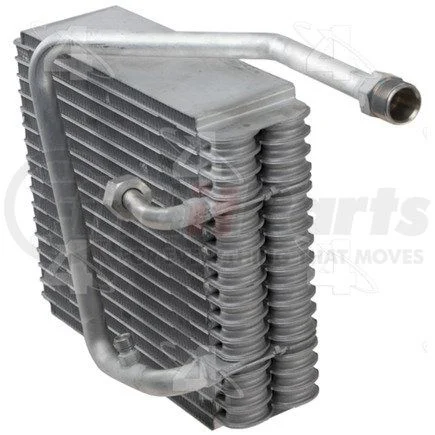
Aftermarket evaporator cores, from brands like Four Seasons, UAC, or Spectra Premium, are more budget-friendly. You can expect to pay anywhere from $80 to $200 for these. While they offer a cost-effective solution, it is wise to research the brand’s reputation and warranty. Sometimes, a cheaper part might not last as long or fit as perfectly. Remember, additional smaller parts are also crucial. You’ll likely need a new accumulator/drier ($30-$80) and a set of O-rings and seals ($15-$40) to ensure a proper, leak-free system. Some mechanics may also recommend a new expansion valve ($20-$60) while everything is apart.
Labor: The Major Cost Factor
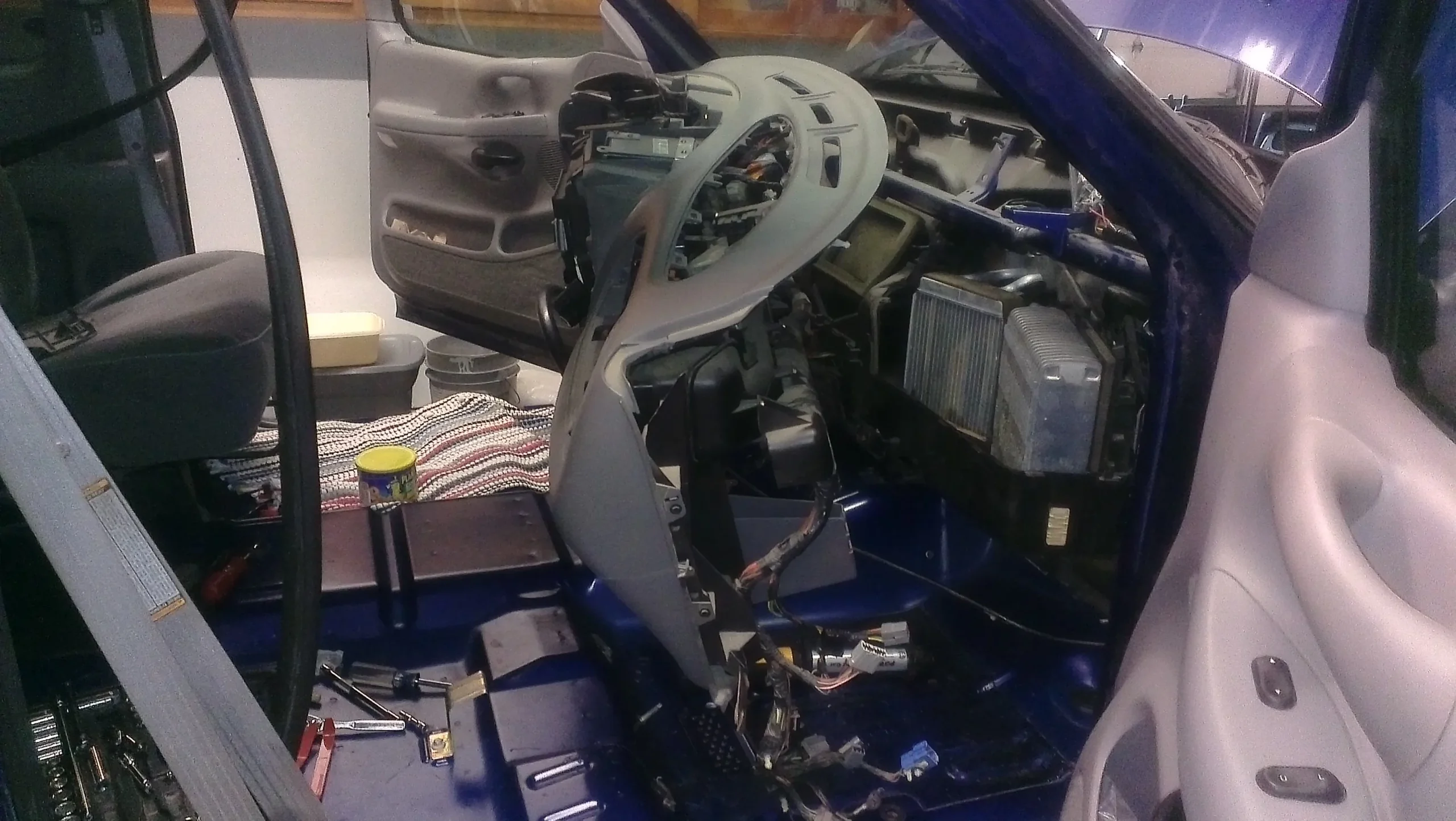
Labor is often the most substantial part of your evaporator core replacement bill for your 2013 F-150. This is because accessing the evaporator core requires extensive disassembly of the truck’s interior. The entire dashboard, including the steering column, glove box, center console, and various trim pieces, must be carefully removed. This is a very time-consuming and meticulous process, demanding specialized tools and expertise from the mechanic.
You can anticipate labor hours ranging from 8 to 14 hours, depending on the shop’s efficiency and the complexity of your specific F-150’s interior. Hourly labor rates vary significantly, with dealerships typically charging between $120 and $160+ per hour. Independent repair shops usually offer more competitive rates, from $80 to $120 per hour. Therefore, your labor costs alone could fall anywhere from $640 to over $2,200. Always ask for a detailed estimate that clearly itemizes labor hours and the hourly rate to understand the true cost.
Factors Influencing Your 2013 F-150 Evaporator Core Replacement Cost
Geographic Location and Shop Type
Where you choose to have your 2013 F-150’s evaporator core replaced significantly impacts the final price. Geographic location plays a major role, as labor rates often align with the regional cost of living. For instance, shops in metropolitan areas or states with higher living expenses (like California or New York) will typically charge more than those in rural areas or states with a lower cost of living. This difference can easily lead to a 10% to 30% variation in total repair costs.
The type of repair facility also matters. A Ford dealership will almost always have the highest labor rates but offers factory-trained technicians and genuine OEM parts with strong warranties. Independent mechanics or local auto shops often provide more competitive pricing, giving you flexibility with part choices (OEM or aftermarket). Specialty AC repair shops can sometimes offer a good balance of expertise and cost-effectiveness. It is always wise to obtain at least three quotes from different types of shops in your area to get a clear picture of local pricing and options.
The Extent of the Damage and Additional Repairs
The total cost of your evaporator core replacement can also increase if other issues are identified during the repair process. Since a leaking evaporator core means your AC system has lost its refrigerant, a mandatory part of the repair is evacuating the old refrigerant and recharging the system with new R-134a. This service typically adds an extra $80 to $200 to the overall cost, depending on the refrigerant needed and current market prices.
Moreover, while the dashboard is already disassembled, mechanics often recommend inspecting nearby components. The heater core, located close to the evaporator, is a common inspection point. If it shows signs of age or potential failure, replacing it proactively could save you another costly dashboard removal in the future. This “while you’re in there” replacement could add $150 to $400 for the part and some additional labor. Always ensure a comprehensive inspection of your entire AC system to address any secondary issues that might arise.
DIY vs. Professional Replacement: What to Consider
When facing an evaporator core replacement, one of the biggest decisions is whether to tackle it yourself or hand it over to a professional mechanic. This isn’t a simple bolt-on job, and understanding the scope is crucial for making the right choice for your 2013 F-150.
Pros and Cons of a DIY Evaporator Core Replacement
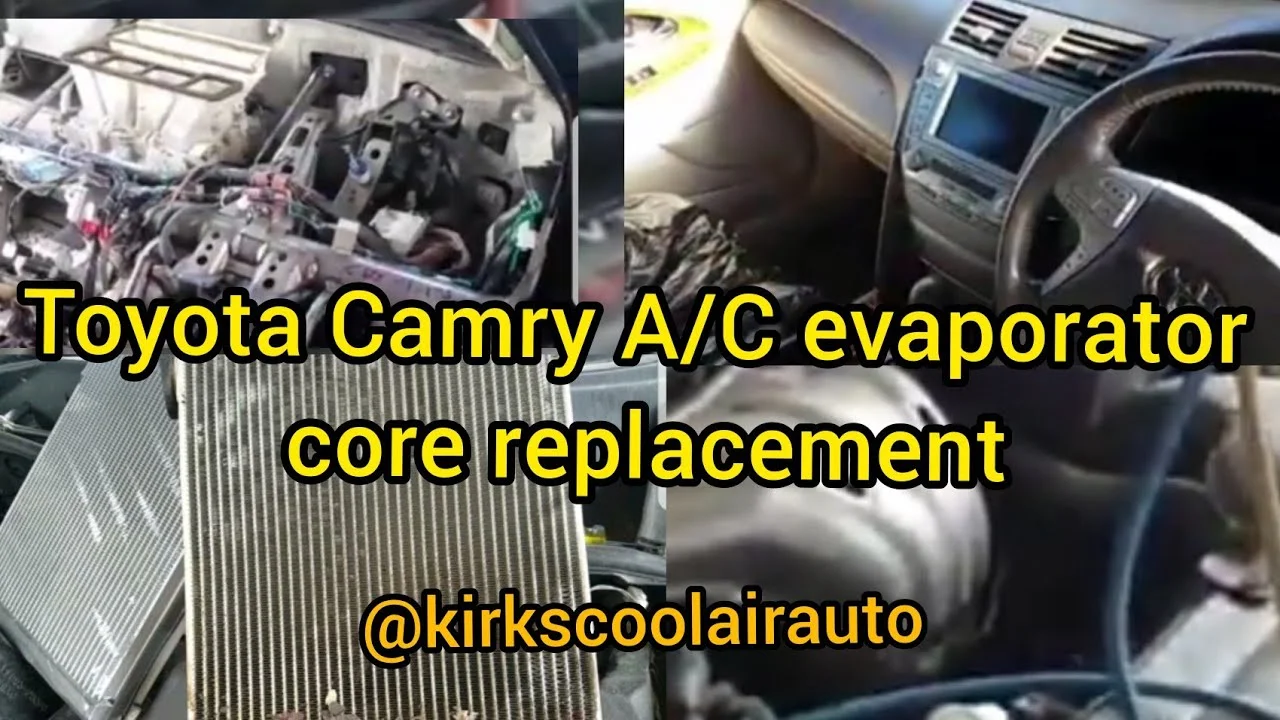
The allure of saving money on labor costs often drives DIY decisions. For an evaporator core, labor is typically the largest expense, so the potential savings are significant. However, the cons are substantial. Replacing the evaporator core in a 2013 F-150 requires extensive disassembly of the dashboard—often the entire dash needs to come out.
This is a highly complex and time-consuming task, easily taking 10-15 hours or more for an experienced DIYer. Furthermore, you’ll need specialized A/C tools, such as a vacuum pump and manifold gauges, to properly evacuate the old refrigerant and recharge the system after the new core is installed. Mishandling refrigerant is not only environmentally irresponsible but can also be dangerous.
When to Call a Professional
For most F-150 owners, hiring a certified mechanic or a dealership is the most practical and safest option. Consider professional help if:
- Lack of specialized tools: The cost of buying specific A/C equipment can quickly offset labor savings.
- Time constraints: This is a multi-day project, not a quick weekend fix.
- Unfamiliarity with complex work: Extensive dashboard disassembly involves many delicate components and wiring.
- Desire for a warranty: Professional shops typically offer guarantees on both parts and labor.
- Ensuring proper function: Professionals ensure precise evacuation, leak testing, and recharging to factory specifications.
Ultimately, while DIY is possible, it’s a monumental task. For such an intricate repair, the expertise and equipment of a professional often justify the cost.
Symptoms of a Failing Evaporator Core and Prevention Tips
Knowing the warning signs can help you address issues early, potentially saving you from a complete system failure or unexpected discomfort. While evaporator cores don’t have many “prevention” steps in the traditional sense due to their sealed nature, there are ways to prolong the life of your A/C system and recognize problems promptly.
Recognizing the Warning Signs
A failing evaporator core usually makes itself known through several distinct symptoms. Pay attention to these cues:
- Weak or No Cold Air: This is the most common sign. If your A/C used to blow icy cold, but now it’s only cool or ambient, a refrigerant leak from the evaporator core is a likely culprit.
- Frequent Refrigerant Recharges: If you find yourself needing to recharge your A/C system every few months, it indicates a significant leak. While leaks can occur elsewhere, the evaporator core is a common internal leak point.
- Sweet, Chemical Smell Inside the Cabin: A noticeable, slightly sweet or chemical odor could indicate refrigerant leaking into the passenger compartment. This is less common but can occur with larger leaks.
- Visible Tracer Dye: If a UV tracer dye was previously added to your A/C system, a glow under the dashboard when inspected with a UV light strongly points to an evaporator core leak.
- Persistent Musty or Moldy Odor: A constant damp or moldy smell when running your A/C often means moisture is accumulating on the evaporator. This moisture can lead to corrosion over time.
Extending Your Evaporator Core’s Life
While you can’t entirely prevent an evaporator core from eventually failing, these practices can help maintain your entire A/C system and potentially prolong the life of components:
- Regular A/C System Checks: Have your A/C system inspected periodically by a professional to check pressures and look for early leak signs.
- Run Your A/C Regularly: Even in colder months, run your A/C for 10-15 minutes weekly to circulate refrigerant and oil, keeping seals lubricated.
- Utilize Your Cabin Air Filter: Ensure it’s clean and replaced as recommended (annually or every 12,000-15,000 miles) to prevent dirt and debris from accumulating on the evaporator.
- Turn Off A/C Before Arrival: A few minutes before reaching your destination, turn off the A/C (but leave the fan running). This helps dry out the evaporator core, reducing moisture buildup and inhibiting mold growth.
Conclusion
Replacing the evaporator core in your 2013 F-150 is undoubtedly a significant repair, primarily due to the extensive labor involved in accessing the component. While the part cost itself is relatively modest, the professional installation can drive the total cost into the $1,000-$2,000 range, or even higher at a dealership.
Understanding the symptoms of a failing core—like weak cold air or frequent refrigerant recharges—is key to timely diagnosis. For the adventurous and well-equipped DIYer, tackling this job is possible, but for most F-150 owners, the complexity, time commitment, and need for specialized tools make professional installation the more practical choice, often backed by a warranty for peace of mind.
Don’t let a faulty A/C system diminish your driving comfort. Get a proper diagnosis for your F-150 today, weigh your options carefully, and get back to enjoying a refreshingly cool cabin on every journey.
💬 Quick Questions & Answers
What’s the average cost to replace a 2013 F-150 evaporator core?
The average cost typically ranges from $1,000 to $2,000, varying based on labor rates and parts.
How long does this replacement typically take?
The job can take 8-15 hours of labor, as it requires extensive dashboard removal and reassembly.
Can I replace the evaporator core myself on my F-150?
DIY replacement is very complex and difficult, requiring specialized tools and significant automotive experience.
What are common signs an evaporator core needs replacing?
Common signs include weak or no cold air, a sweet smell from the vents, or a visible refrigerant leak inside the cabin.
Does car insurance cover evaporator core replacement?
Typically, standard car insurance does not cover mechanical failures like an evaporator core replacement unless it’s due to an accident.
❓ Frequently Asked Questions
What exactly is an evaporator core and why is it so expensive to replace in a 2013 F-150?
The evaporator core is a crucial part of your F-150’s AC system, responsible for cooling the air before it enters the cabin. Its replacement is expensive primarily due to the intensive labor involved, as it’s typically located deep within the dashboard, requiring extensive disassembly of interior components. The part itself is not excessively expensive, but the labor hours add up significantly.
What are the definitive signs my 2013 F-150 evaporator core needs replacement, not just a recharge?
Definitive signs include a persistent musty or sweet odor from your vents, visible refrigerant leaks inside the cabin (sometimes mistaken for water), a sudden loss of cooling even after recharging the AC system, or constant refrigerant depletion. Unlike a simple leak, core failure often presents with specific indoor cabin symptoms.
Should I consider replacing other AC components at the same time as the evaporator core to save money?
Yes, it’s often advisable to consider replacing related AC components like the accumulator/drier, expansion valve, or even the compressor if they show signs of wear or contamination. Since the system is opened and refrigerant must be evacuated and recharged, combining these repairs can save on future labor costs and ensure the longevity of your entire AC system.
How can I get an accurate estimate for the 2013 F-150 evaporator core replacement cost from a mechanic?
To get an accurate estimate, always obtain quotes from at least 2-3 reputable mechanics or dealerships, ensuring they specify both parts and labor costs. Clearly communicate your vehicle’s exact make, model, and year, and ask if their estimate includes refrigerant recharge and any associated system diagnostics. A detailed breakdown helps compare offers effectively.
What’s the risk of not replacing a faulty evaporator core in my F-150, besides lacking cold air?
Beyond the discomfort of no cold air, not replacing a faulty evaporator core can lead to refrigerant leaks that harm the environment and potentially damage other AC components like the compressor due to lack of lubrication. Furthermore, a leaking core can introduce moisture into the system, promoting corrosion and bacterial growth, leading to further issues.
Are there aftermarket options for the 2013 F-150 evaporator core that can significantly save money on parts?
Yes, aftermarket evaporator cores are available and can often be significantly cheaper than OEM (Original Equipment Manufacturer) parts, potentially saving you hundreds on the component itself. While aftermarket options can be reliable, it’s crucial to research brands and read reviews to ensure quality and compatibility, as some cheaper parts may not offer the same longevity.